Secure Your Power Supply with Professional Installation
Installing a backup generator provides reliable power during outages, ensuring continuous operation of essential household systems. With increasing frequency of severe weather events, having a backup power source can prevent disruptions and safeguard home comfort and security.
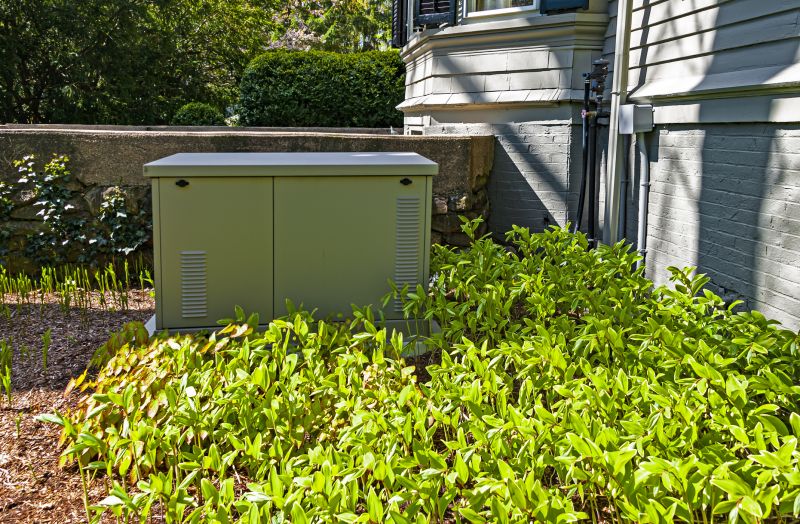
A backup generator installed outside a residence, ready to provide power during outages.
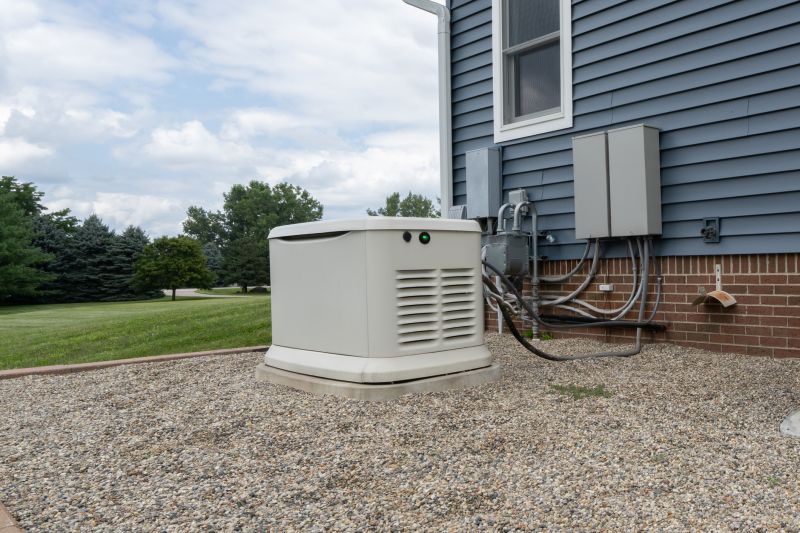
Shows the control interface used to manage and monitor the generator's operation.
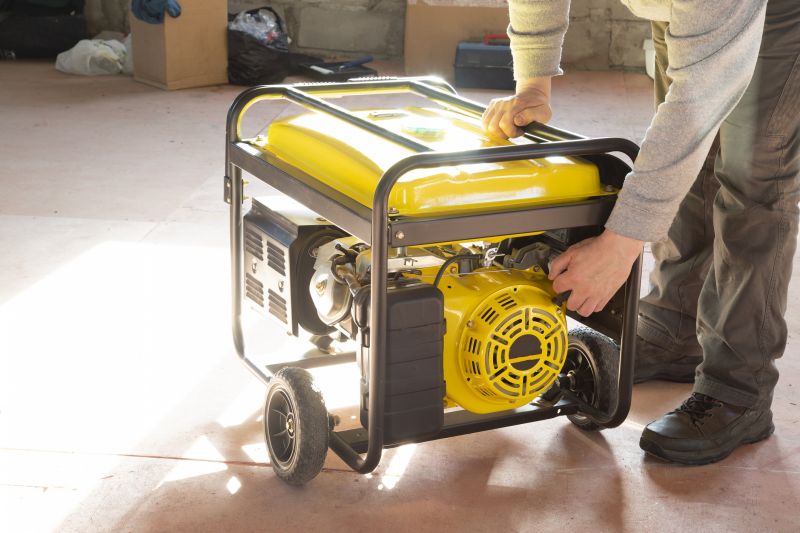
A transfer switch that seamlessly switches power sources between the grid and the backup generator.
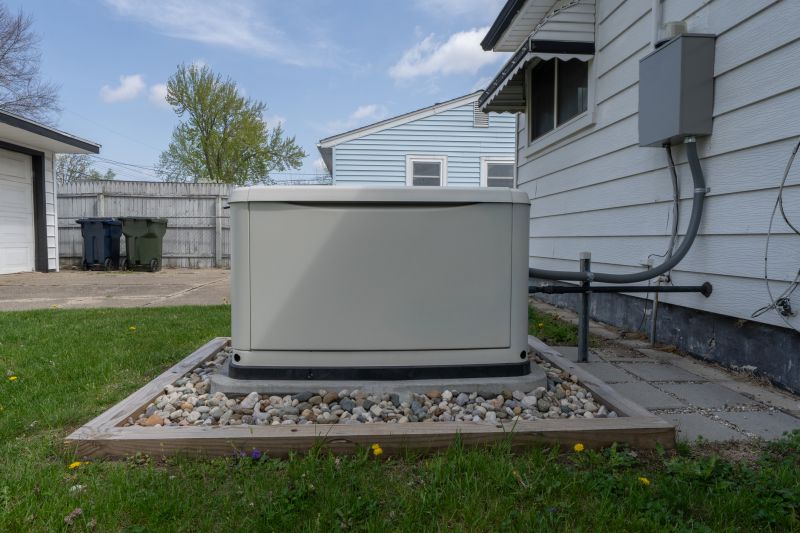
A complete home backup power setup designed for residential use.
The process of installing a backup generator involves several key steps. Initially, a site assessment determines the optimal location for installation, considering accessibility, ventilation, and proximity to existing electrical systems. The electrical system is then prepared, including the installation of a transfer switch and connection to the home's electrical panel. The generator itself is securely mounted, connected, and tested to ensure proper operation. Typically, the entire installation can be completed within one to two days, depending on the complexity of the setup.
A backup generator ensures continuous power supply, minimizing downtime during outages.
Having a reliable backup power source reduces stress and uncertainty during severe weather events.
Installing a backup generator can enhance the value and appeal of a residential property.
A generator safeguards appliances, heating, cooling, and security systems from power interruptions.
The benefits of installing a backup generator extend beyond immediate power restoration. It provides peace of mind, knowing that essential systems will continue functioning regardless of external conditions. Additionally, backup generators can prevent data loss, protect perishable goods, and ensure safety during emergencies. Properly installed, they operate efficiently and reliably, offering long-term value for homeowners.
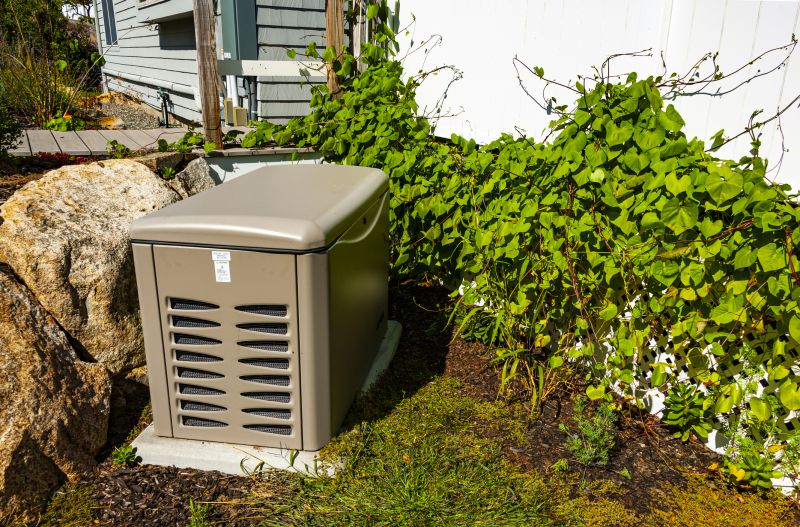
A home backup generator installed in a suburban backyard, ready for emergency use.
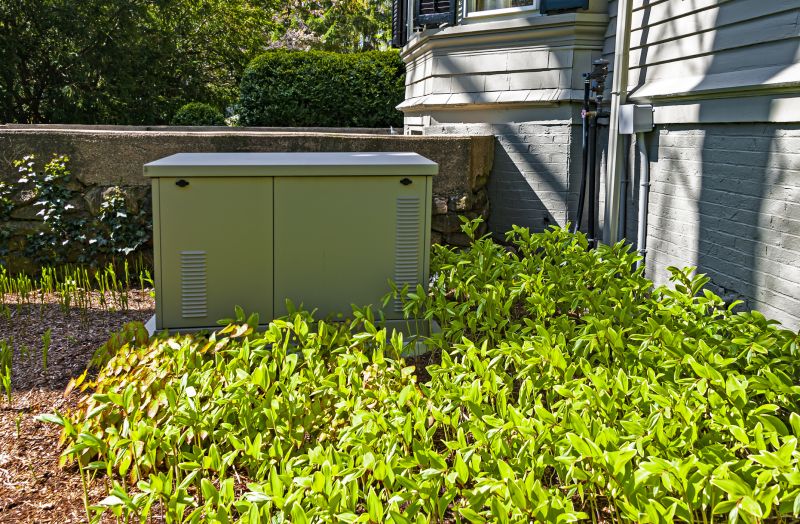
A weather-resistant enclosure protecting the generator from the elements.
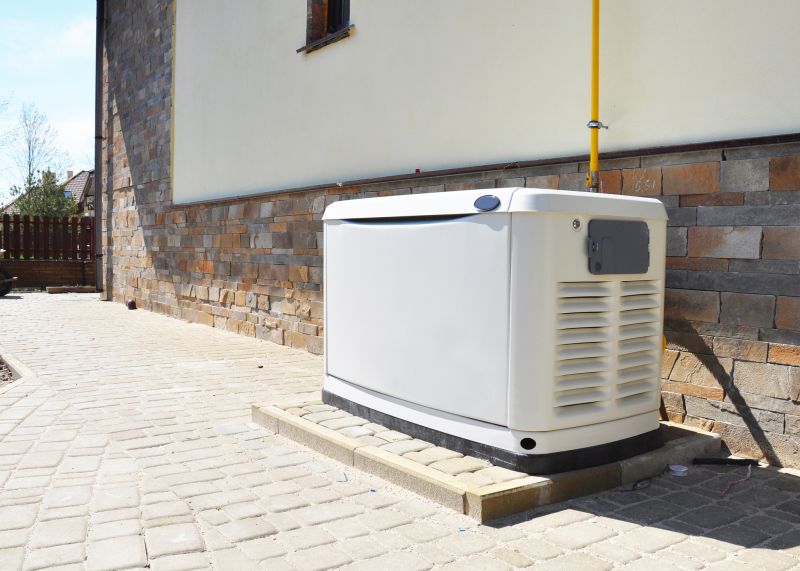
Device that automatically switches power sources during outages for seamless operation.
Choosing the right backup generator involves evaluating household power needs, available space, and budget. Generators come in various sizes and capacities to match the home's electrical load. Professional assessment ensures the selected system provides sufficient backup power for critical appliances and systems, optimizing safety and convenience.
| Generator Capacity (kW) | Suitable for Homes of |
|---|---|
| 5-7 kW | Small homes with minimal electrical loads |
| 8-12 kW | Average-sized homes with multiple appliances |
| 13-20 kW | Larger homes with extensive electrical needs |
| 21+ kW | Homes with high power demands or additional systems |
Proper installation of a backup generator involves compliance with local electrical codes and safety standards. It is recommended to work with qualified professionals to ensure correct placement, secure connections, and reliable operation. Regular maintenance and testing are essential to keep the system ready for use when needed, extending the lifespan and performance of the generator.
Investing in a backup generator offers a practical solution to power outages, providing security and convenience for homeowners. The installation process is straightforward when performed by experienced professionals, and the benefits include uninterrupted power, peace of mind, and increased property value. Ensuring proper setup and maintenance maximizes the system’s effectiveness and longevity.
For those interested in enhancing home resilience with a backup power solution, completing a quick contact form is an effective first step. This allows for a tailored quote and detailed information about available options, ensuring the right generator is selected to meet specific household needs.